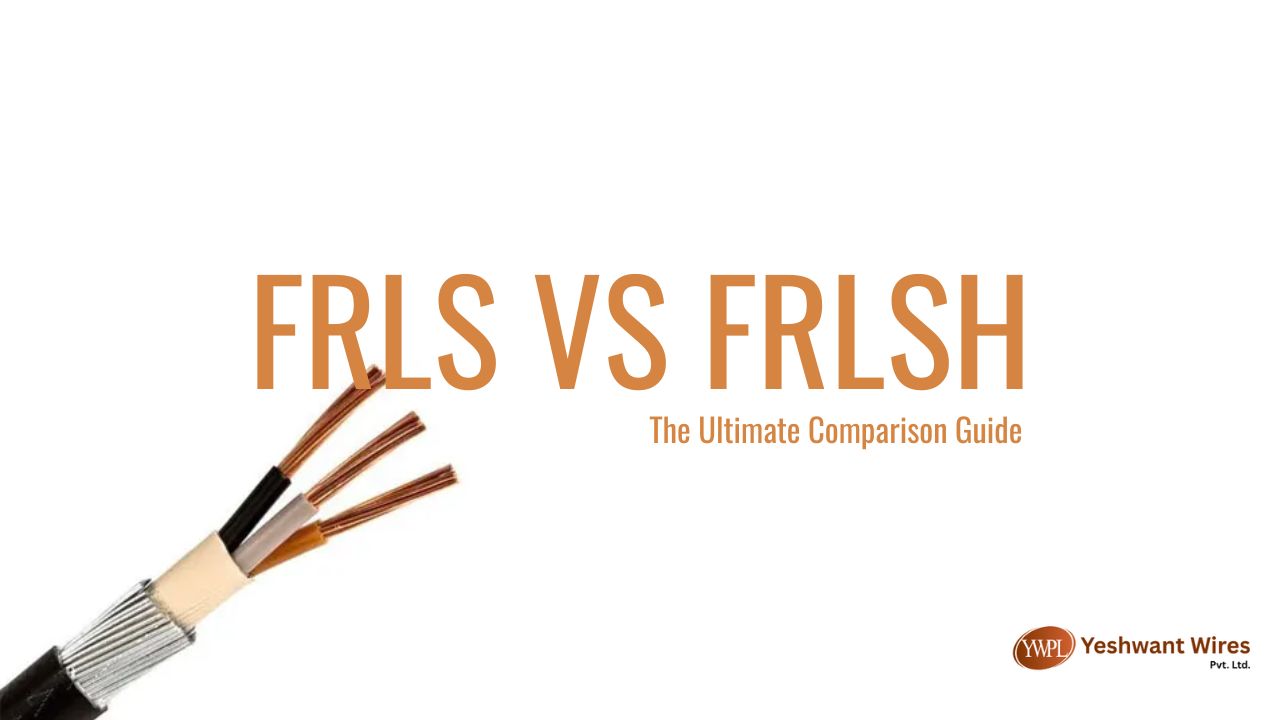
FRLS vs FRLSH Cables: The Ultimate Comparison Guide

What Are FRLS Cables?
FRLS stands for Flame Retardant Low Smoke cables. These specialized electrical wires are engineered with flame-retardant properties that prevent fire from spreading along the cable route. When exposed to fire, FRLS cables emit significantly less smoke compared to conventional PVC cables, making them an essential safety feature in commercial and residential buildings.
The primary composition of FRLS cables includes a specially formulated PVC compound that contains flame-retardant additives. These additives work by releasing gases that dilute flammable gases and create a protective layer, effectively slowing down combustion. However, it's important to note that FRLS cables may still release halogen gases when burned, which can be toxic and corrosive.
What Are FRLSH Cables?
FRLSH cables are Fire Retardant Low Smoke Halogen-free cables designed to provide maximum safety during fire incidents. These cables are made from halogen-free insulating materials, which means when they catch fire, they emit very low smoke and no toxic halogen gases, making them much safer for people and equipment.
When it comes to electrical safety in modern construction projects, choosing between FRLS cables and FRLSH cables can significantly impact both safety and compliance. While both are fire-resistant cables designed to prevent fire propagation, they have distinct characteristics that make them suitable for different applications. This comprehensive guide will help you understand the key differences, advantages, and ideal use cases for each type of cable.
Key Features of FRLS Cables:
- Flame retardant properties that prevent fire propagation along cable routes
- Low smoke emission compared to standard PVC cables, improving visibility during emergencies
- Cost-effective solution for fire safety in standard applications
- Wide availability and established manufacturing standards
- Suitable for general commercial and residential applications
What Are FRLSH Cables?
FRLSH stands for Flame Retardant Low Smoke Halogen-Free cables. These represent an advanced evolution in fire-resistant cable technology, offering all the benefits of FRLS cables while eliminating the release of toxic halogen gases during combustion. FRLSH cables, also known as LSZH cables (Low Smoke Zero Halogen), are manufactured using special polymer compounds that are completely free from halogen elements such as chlorine, bromine, fluorine, and iodine.
The halogen-free compound used in FRLSH cables is typically based on polyolefin or other advanced polymer materials. When these cables are exposed to fire, they produce minimal smoke and virtually no toxic or corrosive gases, making them the safest option for enclosed spaces and critical installations.
Key Features of FRLSH Cables:
- Zero halogen emission during combustion, eliminating toxic gas hazards
- Ultra-low smoke density for maximum visibility during fire emergencies
- Non-corrosive gases that protect sensitive electronic equipment
- Environmentally friendly composition with reduced ecological impact
- Ideal for high-occupancy buildings and critical infrastructure
- Compliance with international safety standards including IEC and BS specifications
Quick Comparison:
While both FRLS and FRLSH cables offer flame retardant and low smoke properties, the critical difference lies in halogen content. FRLSH cables are completely halogen-free, making them the superior choice for applications where human safety and equipment protection are paramount.
FRLS vs FRLSH: Detailed Comparison
| Parameter | FRLS Cables | FRLSH Cables |
|---|---|---|
| Full Form | Flame Retardant Low Smoke | Flame Retardant Low Smoke Halogen-Free |
| Halogen Content | Contains halogens (chlorine, bromine) | Zero halogen content |
| Smoke Emission | Low smoke emission | Ultra-low smoke emission |
| Toxic Gas Release | May release toxic halogen gases when burned | No toxic halogen gases released |
| Corrosiveness | Produces corrosive gases during combustion | Non-corrosive gas emission |
| Environmental Impact | Moderate environmental impact | Environmentally friendly |
| Cost | More economical | Premium pricing (15-30% higher) |
| Insulation Material | Modified PVC compound | Polyolefin or advanced polymers |
| Temperature Rating | Up to 70°C continuous operation | Up to 90°C continuous operation |
| Applications | General commercial and residential buildings | Hospitals, data centers, airports, metros |
| Standards | IS 1554 Part 1, IEC 60227 | IS 15583, IEC 60754, BS 6724 |
| UV Resistance | Moderate | Excellent |
Safety Considerations: Why Halogen-Free Matters
The presence or absence of halogens in cable insulation has profound implications for safety during fire incidents. When PVC-based FRLS cables burn, they release hydrogen chloride (HCl) and other halogen gases. These gases have several dangerous properties:
- Toxicity: Halogen gases are highly toxic and can cause respiratory distress, eye irritation, and other health complications even in small concentrations
- Corrosiveness: When combined with moisture in the air, halogen gases form corrosive acids (like hydrochloric acid) that can damage sensitive electronic equipment, metallic structures, and compromise building integrity
- Visibility reduction: Dense smoke containing halogen compounds significantly reduces visibility, hampering evacuation efforts
- Long-term effects: Residual halogen compounds can continue causing corrosion and damage long after the fire is extinguished
Safety Advantage of FRLSH Cables:
In critical environments such as hospitals, data centers, educational institutions, and public transportation systems, FRLSH cables provide a crucial safety margin. The absence of toxic halogen emissions means safer evacuation conditions, reduced equipment damage, and lower long-term restoration costs after fire incidents.
Applications: Choosing the Right Cable for Your Project
Ideal Applications for FRLS Cables:
FRLS cables offer an excellent balance of safety and cost-effectiveness for many standard applications:
- Residential buildings and housing complexes where fire safety regulations require flame-retardant wiring
- Small to medium commercial establishments including retail stores, offices, and warehouses
- Industrial facilities with adequate ventilation and lower occupancy density
- Outdoor installations where ventilation naturally disperses smoke and gases
- Budget-conscious projects where basic fire safety compliance is required
Ideal Applications for FRLSH Cables:
FRLSH cables are essential for environments where human safety, equipment protection, and regulatory compliance are critical:
- Healthcare facilities: Hospitals, clinics, and medical centers where patient safety is paramount
- Data centers and server rooms: Protecting expensive IT infrastructure from corrosive gases
- Public transportation: Metro systems, railway stations, airports, and bus terminals with high occupancy
- Educational institutions: Schools, colleges, and universities with vulnerable populations
- High-rise buildings: Where evacuation is complex and time-consuming
- Underground installations: Tunnels, basements, and enclosed spaces with limited ventilation
- Hotels and hospitality: Protecting guests and maintaining business continuity
- Entertainment venues: Theaters, cinemas, and auditoriums with large crowds
- Nuclear power plants and sensitive installations: Where equipment damage could have catastrophic consequences
Regulatory Requirements:
Many modern building codes and fire safety regulations now mandate the use of halogen-free cables in public spaces and high-occupancy buildings. Before selecting cables for your project, verify local regulations and building codes. In India, the National Building Code (NBC) and various state regulations increasingly recommend or require FRLSH cables for specific applications.
Cost Analysis: Investment vs. Safety
The price difference between FRLS and FRLSH cables typically ranges from 15% to 30%, with FRLSH cables being more expensive. However, this initial cost premium should be evaluated against several factors:
Total Cost of Ownership Considerations:
- Insurance premiums: Buildings with FRLSH cables may qualify for lower insurance rates due to enhanced safety
- Equipment protection: FRLSH cables prevent corrosive damage to expensive equipment, reducing replacement costs
- Regulatory compliance: Avoiding penalties and ensuring compliance with evolving safety standards
- Liability reduction: Lower risk exposure in case of fire incidents
- Building value: Enhanced property value due to superior safety features
- Operational continuity: Reduced downtime and faster recovery after fire incidents
For critical infrastructure and high-occupancy buildings, the additional investment in FRLSH wires and cables is justified by the comprehensive safety benefits and potential cost savings in the event of fire emergencies.
Technical Standards and Certifications
Both FRLS and FRLSH cables must comply with rigorous national and international standards to ensure quality and performance:
FRLS Cable Standards:
- IS 1554 Part 1: Indian Standard for PVC insulated cables
- IEC 60227: International standard for PVC insulated cables
- IS 694: PVC insulated cables for working voltages up to and including 1100V
FRLSH Cable Standards:
- IS 15583: Crosslinked polyethylene insulated, halogen-free low smoke, flame retardant thermoplastic sheathed cables
- IEC 60754: Test on gases evolved during combustion of materials from cables (halogen acid gas)
- IEC 61034: Measurement of smoke density of cables burning under defined conditions
- BS 6724: Thermosetting insulated cables with low emission of smoke and corrosive gases when affected by fire
- BS 7211: Specification for thermosetting insulated cables (non-armoured) for electric power and lighting
Certification Importance:
Always verify that your cable supplier provides proper certification and test reports. Reputable manufacturers like Yeshwant Wires ensure all products meet or exceed applicable standards, providing you with documented proof of compliance for regulatory approval and peace of mind.
Installation and Handling Differences
While both cable types follow similar installation procedures, there are some notable differences in handling characteristics:
FRLS Cable Installation:
- Standard flexibility makes handling and installation relatively straightforward
- Compatible with conventional cable installation tools and techniques
- PVC insulation is familiar to most electricians
- Good mechanical protection properties
FRLSH Cable Installation:
- Slightly stiffer due to polyolefin insulation, requiring more careful bending radius management
- Superior UV resistance makes them ideal for both indoor and outdoor applications
- Better performance in high-temperature environments
- May require specialized tools for larger conductor sizes
- Excellent moisture resistance properties
Environmental Impact and Sustainability
In today's environmentally conscious construction industry, the ecological footprint of building materials is increasingly important. FRLSH cables offer significant environmental advantages:
- Recyclability: FRLSH cable materials are more easily recyclable than PVC-based FRLS cables
- Reduced pollution: No toxic halogen emissions during production, use, or disposal
- Eco-friendly combustion: In fire scenarios, FRLSH cables produce significantly less environmental contamination
- Sustainable materials: Many FRLSH cables use bio-based polymers or recyclable compounds
- Green building certifications: FRLSH cables contribute to LEED and other green building rating systems
For organizations committed to sustainability and corporate social responsibility, specifying halogen-free cables aligns with environmental goals while enhancing safety.
Future Trends in Fire-Resistant Cable Technology
The cable industry continues to evolve with innovations focused on enhanced safety and performance:
- Advanced polymer compounds: Development of new materials with superior flame resistance and mechanical properties
- Smart cables: Integration of temperature sensors and monitoring systems for early fire detection
- Enhanced FRLSH formulations: Improved flexibility and easier installation without compromising safety
- Nanotechnology: Incorporation of nanomaterials for enhanced flame retardancy and conductivity
- Regulatory evolution: Increasingly stringent standards pushing the industry toward halogen-free solutions
Industry Trend:
Global markets are witnessing a steady shift toward FRLSH cables as the preferred choice for new construction and retrofits. Leading markets in Europe and North America have already mandated halogen-free cables in most public buildings, and this trend is expanding to other regions including Asia and the Middle East.
Making the Right Choice: Decision Framework
Selecting between FRLS and FRLSH cables requires careful evaluation of multiple factors. Use this framework to guide your decision:
Choose FRLS Cables When:
- Budget constraints are significant and basic fire safety compliance is the primary goal
- The building has low occupancy density and good natural ventilation
- Regulations permit their use and don't mandate halogen-free solutions
- The installation is primarily outdoors with minimal enclosed spaces
- Equipment value and corrosion concerns are minimal
Choose FRLSH Cables When:
- Human safety is the paramount concern (hospitals, schools, public spaces)
- Protecting sensitive electronic equipment from corrosive damage is essential
- Building codes or insurance requirements mandate halogen-free installations
- The project involves enclosed spaces, basements, or underground installations
- Environmental sustainability is a key project objective
- Long-term operational costs and business continuity are important considerations
Need Expert Guidance on Cable Selection?
Our technical team at Yeshwant Wires can help you select the perfect cable solution for your project, ensuring compliance, safety, and cost-effectiveness.
Contact Our Experts TodayFrequently Asked Questions
Yes, FRLS cables are suitable for residential buildings and meet fire safety requirements for most homes and apartment complexes. They provide adequate protection for typical residential applications where occupancy density is moderate and ventilation is generally good.
Requirements vary by jurisdiction and building type. Many regions mandate FRLSH cables for high-occupancy buildings, healthcare facilities, and public transportation. Check your local building codes and fire safety regulations, as requirements are becoming increasingly stringent globally.
FRLSH cables are typically marked with "ZHFR," "LSZH," or "FRLSH" designation on the cable jacket. Always verify the manufacturer's specifications and request certification documents that confirm halogen-free compliance according to IEC 60754 standards.
High-quality FRLSH cables typically have a service life of 25-30 years under normal operating conditions, comparable to FRLS cables. Proper installation, appropriate load management, and environmental protection contribute to maximizing cable longevity.
While technically possible, it's not recommended for critical installations. Mixing cable types can complicate maintenance, reduce overall system safety, and create confusion during emergency situations. It's best to maintain consistency throughout the installation.
FRLSH cables require the same standard maintenance as conventional cables—regular visual inspections, thermographic surveys, and insulation resistance testing. Their superior UV and moisture resistance often means reduced maintenance requirements in challenging environments.
Conclusion: Prioritizing Safety with the Right Cable Choice
The decision between FRLS and FRLSH cables ultimately comes down to balancing cost considerations with safety requirements, regulatory compliance, and long-term operational goals. While FRLS cables offer a cost-effective solution for many applications, FRLSH cables provide superior safety features that are increasingly becoming the industry standard for critical installations.
As fire safety regulations evolve and awareness of halogen toxicity grows, the trend toward halogen-free cables continues to strengthen. For any project where human safety, equipment protection, and environmental responsibility are priorities, investing in FRLSH cables represents a prudent decision that pays dividends in safety, compliance, and peace of mind.
At Yeshwant Wires, we manufacture both FRLS and FRLSH cables to the highest quality standards, ensuring your projects meet all safety requirements while delivering exceptional performance. Our technical team is always available to provide expert guidance tailored to your specific application needs.
Ready to Enhance Your Project's Safety?
Explore our comprehensive range of fire-resistant cables and discover why leading contractors and builders trust Yeshwant Wires for their most critical installations.
View Our Product Catalog