Top 10 Causes of Electrical Fires in India & How Quality Wiring Prevents Them

Understanding Electrical Fire Risks in India
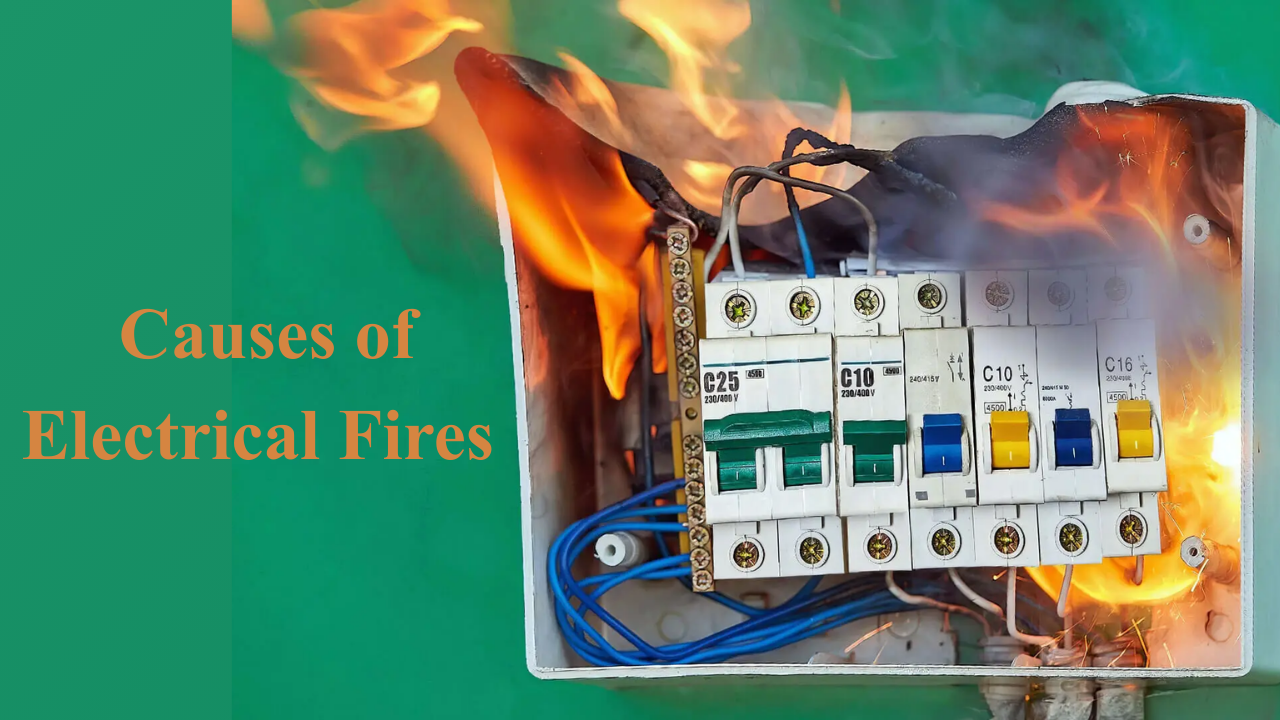
Electrical fires remain one of the most devastating threats to homes and businesses across India. Recent data shows that electrical short circuits accounted for 58 fire incidents in one study period, with electrical faults contributing an additional 49 cases. In Delhi alone, approximately 70 percent of fire calls are attributed to electrical short circuiting, making this a critical safety concern that demands immediate attention.
The financial and human cost is staggering. Beyond property damage worth crores, these preventable fires claim lives and destroy livelihoods every year. Understanding the root causes and implementing proper electrical safety measures particularly using quality wiring can significantly reduce these risks.
Understanding the Electrical Fire Landscape in India
Statistics indicate that a substantial number of fires in Indian buildings stem from electrical short circuiting in low voltage systems operating at 230440 volts. While short circuits often take the blame, the reality is more complex. Multiple factors contribute to ignition, including improper installation, inadequate maintenance, operation under overload conditions, and insufficient heat dissipation.
What makes electrical fires particularly dangerous is their ability to develop over varying timeframes from instantaneous arcs to slow burning deterioration that smolders for months before igniting. This unpredictability makes prevention through quality materials and proper installation absolutely essential.
Top 10 Causes of Electrical Fires in India
1. Electrical Short Circuits
Short circuits represent the primary culprit behind electrical fires in India. A short circuit occurs when an abnormal connection forms between two nodes intended to be at different voltages, creating a current limited only by the network's equivalent resistance. This excessive current generates intense heat that can ignite nearby flammable materials.
Prevention Through Quality Wiring:- Premium copper wiring maintains stable conductivity without creating resistance hotspots
- High grade insulation materials resist degradation even under electrical stress
- Proper conductor sizing prevents excessive current density
2. Degraded or Damaged Insulation
As wires age, insulation deteriorates, creating opportunities for short circuits that may trigger fires. In India's diverse climate from coastal humidity to extreme heat insulation faces accelerated wear and tear.
How Quality Wiring Helps: Quality electrical wires from manufacturers like Yeshwant Wires use premium PVC or XLPE insulation designed to withstand environmental stresses. These materials resist:
- Temperature extremes (up to 90°C for standard applications)
- Moisture and humidity penetration
- Chemical exposure from pollutants
- UV radiation damage
3. Circuit Overloading
Modern Indian households increasingly rely on high power appliances air conditioners, geysers, washing machines, and microwaves. Approximately 60% of fires originate from electrical causes, with overloading being a significant contributing factor alongside short circuits and overheating.
When circuits carry more current than designed, wires heat up dangerously. Inferior wiring compounds this problem with higher resistance, generating even more heat.
Quality Wiring Advantage:- Accurate conductor cross sectional areas ensure rated current capacity
- Low resistance copper conductors minimize heat generation
- Consistent manufacturing quality prevents weak points in the wire
4. Substandard and Counterfeit Wires
A common thread among many fire incidents involves inferior quality wires and cables that are prone to overheating, increasing the risk of short circuits. The Indian market faces significant challenges with counterfeit products bearing fake ISI marks.
The ISI/BIS Mark Difference: Genuine BIS certified wires undergo rigorous testing for:
- Electrical conductivity standards
- Insulation resistance
- Heat and fire resistance
- Mechanical strength and durability
Always verify the ISI mark and license number against BIS records before purchase. Quality manufacturers provide transparent certification documentation.
5. Loose Electrical Connections
Loose wiring in switches, outlets, and panels creates resistance points that cause arcing tiny electrical sparks capable of igniting nearby materials. These loose connections develop gradually through thermal expansion, vibration, or poor initial installation.
Prevention Strategy: While proper installation remains crucial, quality wiring contributes by:
- Maintaining consistent conductor diameter for secure terminations
- Using annealed copper that forms reliable connections
- Providing clear marking for proper identification during installation
6. Outdated or Inadequate Electrical Systems
Many older buildings in India still operate with electrical systems designed decades ago, unable to handle modern power demands. Obsolete wiring technologies simply cannot cope with today's electrical loads safely.
Modernization with Quality Wiring: Upgrading to contemporary wiring standards involves:
- Installing appropriately sized conductors for current needs
- Using modern insulation materials with higher temperature ratings
- Implementing proper grounding systems
- Adding circuit protection devices
Browse Yeshwant Wires' product range for modern wiring solutions compliant with current Indian standards.
7. Arc Faults
Arc faults involve high power discharges between conductors that generate heat capable of breaking down wire insulation and triggering electrical fires. These dangerous arcs can range from a few amps to thousands of amps with highly variable strength and duration.
Quality Wiring Protection: Superior insulation in premium wires provides:
- Enhanced dielectric strength to resist arc formation
- Fire retardant properties that prevent flame propagation
- Robust construction that maintains physical integrity
8. Moisture and Humidity Damage
India's monsoon season and coastal regions create particularly challenging conditions for electrical systems. Moisture and humidity commonly infiltrate electrical systems, creating risks for short circuits and corrosion.
Moisture Resistant Wiring: Quality electrical cables incorporate:
- Water resistant insulation compounds
- Proper conductor protection against oxidation
- Heat stable materials that don't degrade in humid conditions
For monsoon prone areas, consider moisture resistant cable options specifically designed for high humidity environments.
9. Improper Use of Extension Cords and Power Strips
Overreliance on extension cords and power strips creates multiple fire hazards. These accessories were never intended as permanent solutions, yet many Indian homes and offices treat them as such.
Risks Include:
- Daisy chaining multiple power strips
- Running high power appliances through extensions
- Using damaged or inadequate capacity cords
- Creating tripping hazards that damage wires
Proper Solution: Install adequate wall outlets using quality wiring that meets load requirements. Major appliances should always connect directly to dedicated circuits using appropriate wire gauges.
10. Earth Faults and Inadequate Grounding
Earth faults occur when inadvertent connections form between live conductors and earth, causing the electrical system to short circuit with fault current flowing through equipment. Inadequate or absent grounding compounds this danger significantly.
Quality Wiring Solution: Proper electrical installation requires:
- Three core cables with dedicated earth conductors
- Green/yellow insulated earth wires for clear identification
- Continuous earth connections throughout the installation
- Quality earth wire with proper conductor cross section
View earthing wire specifications for residential and commercial applications.
The Critical Role of Quality Wiring in Fire Prevention
Premium copper wiring demonstrates superior conductivity and durability, showing less susceptibility to overheating while reducing the risk of electrical faults. Quality wiring serves as the foundation of electrical safety through multiple mechanisms:
Superior Conductivity
Quality copper wiring ensures:
- Minimal electrical resistance
- Reduced heat generation during normal operation
- Stable performance under varying loads
- Long term reliability without degradation
Advanced Insulation Technology
Modern insulation materials in premium wires provide:
- High dielectric strength
- Flame retardant properties
- Environmental resistance (heat, moisture, chemicals)
- Extended service life
Consistent Manufacturing Quality
Reputable manufacturers maintain:
- Precise conductor dimensions
- Uniform insulation thickness
- Rigorous quality control testing
- Compliance with Indian standards (IS codes)
BIS Certification Assurance
Government agencies and standards organizations, including the Central Public Works Department, now strongly advocate for copper wire adoption to mitigate fire risks. The ISI/BIS mark confirms that wires meet stringent safety standards through independent testing.
Identifying Quality Electrical Wires: A Buyer's Guide
When purchasing electrical wiring, verify these quality indicators:
1. Valid BIS/ISI Certification
- Check for the ISI mark on packaging and wire surface
- Verify license number on BIS official website
- Ensure certification covers the specific product variant
2. Clear Marking and Labeling Quality wires display:
- Manufacturer name and trademark
- IS standard number (e.g., IS 694 for PVC insulated cables)
- Conductor size and number of cores
- Voltage rating
- Manufacturing date/batch number
3. Physical Quality Checks
- Uniform insulation thickness throughout length
- Consistent conductor diameter
- Smooth insulation surface without cracks or bubbles
- Proper color coding for phase, neutral, and earth
4. Manufacturer Reputation Research the manufacturer:
- Years of industry experience
- Customer reviews and testimonials
- Technical support availability
- Warranty and aftersales service
5. Appropriate Pricing Be skeptical of unusually cheap wires. Quality materials and manufacturing processes have inherent costs. Extremely low prices often indicate compromised quality or counterfeit products.
Essential Fire Safety Measures Beyond Quality Wiring
While quality wiring forms the foundation, comprehensive electrical fire safety requires:
Regular Electrical Inspections
Schedule professional inspections:
- Annually for commercial properties
- Every 35 years for residential buildings
- Immediately after detecting warning signs (burning smells, frequent tripping, flickering lights)
Proper Installation Practices
- Hire qualified, licensed electricians
- Follow National Electrical Code of India guidelines
- Ensure adequate wire sizing for expected loads
- Implement proper grounding and earthing
- Install circuit breakers and RCDs (Residual Current Devices)
Load Management
- Distribute high power appliances across different circuits
- Avoid running multiple heavy appliances simultaneously
- Never overload outlets or use excessive extension cords
- Upgrade electrical panels if needed for modern power demands
Maintenance and Vigilance
- Replace damaged cords immediately
- Keep electrical panels accessible and unobstructed
- Ensure proper ventilation around electrical equipment
- Address warning signs promptly (hot outlets, buzzing sounds, discolored switches)
Fire Detection and Response
- Install smoke detectors on every floor
- Keep appropriate fire extinguishers accessible
- Develop and practice family fire escape plans
- Know when to cut power at the main breaker
The Investment in Safety
Choosing quality electrical wiring represents a crucial investment in safety rather than an expense. While premium wires cost more initially, they deliver:
- Life Safety: Protecting family members, employees, and building occupants
- Property Protection: Preventing devastating fire damage
- Long term Savings: Reduced maintenance, replacement, and insurance costs
- Electrical Efficiency: Lower energy losses through superior conductivity
- Peace of Mind: Confidence in your electrical system's reliability
Short circuiting often results from illegal connections and low quality wiring, meaning that addressing even this single major cause could save innumerable lives and properties while reducing fire mitigation expenditures.
Conclusion
Electrical fires in India remain a serious and growing concern, but they're largely preventable. Understanding the top causes from short circuits to substandard materials empowers property owners to take proactive measures.
The single most impactful decision you can make is choosing quality, BIS certified electrical wiring from reputable manufacturers like Yeshwant Wires. Combined with proper installation, regular maintenance, and electrical safety awareness, quality wiring creates a robust defense against fire hazards.
Don't compromise on electrical safety. The cost of quality wiring pales in comparison to the devastating consequences of electrical fires. Invest in certified products, hire qualified professionals, and maintain your electrical systems diligently.
Your family's safety, your property's security, and your peace of mind depend on the electrical choices you make today.
Take Action Today
Protect your property with quality electrical solutions:
- Explore Yeshwant Wires' product catalog
- Contact our technical team for project specifications
- Request guidance on appropriate wire selection for your application
- Schedule an electrical safety assessment for your property
Remember: When it comes to electrical safety, quality isn't expensive it's priceless.
Disclaimer: This article provides general information about electrical fire safety. For specific electrical installations, always consult qualified, licensed electrical professionals and follow local building codes and regulations.